Skip to main content
MAXIMUM ROCKNROLL
Reviews
Radio
Columns
Articles
Magazine
News
FAQ
Store
About
Contact
Reviews
Radio
Columns
Articles
Magazine
News
FAQ
Store
About
Contact
News
Categories
Filter by category
Archive
Blog/Website of the Week
Columns
Comics
Interviews
News
Obituaries
Photos
Reviews
Scene Reports
Shows
Video of the Week
Search the site
Comics
MRR Presents: Friday Fuckin’ Funnies! #72
Published:
April 10, 2015
MRR Presents: Friday Fuckin’ Funnies! #71
Published:
March 27, 2015
MRR Presents: Friday Fuckin’ Funnies! #70
Published:
March 13, 2015
MRR Comics & Art Issue
Artist Q&A with Abraham DÁaz
Published:
March 9, 2015
MRR Presents: Friday Fuckin’ Funnies! #69
Published:
January 16, 2015
MRR Presents: Friday Fuckin’ Funnies! #68
Published:
January 9, 2015
MRR Presents: Friday Fuckin’ Funnies! #67
Published:
December 26, 2014
MRR Presents: (Not) Friday Funnies — Holiday Edition!
Published:
December 23, 2014
MRR Presents: Friday Fuckin’ Funnies! #65
Published:
December 19, 2014
MRR Presents: Friday Fuckin’ Funnies! #64
Published:
December 12, 2014
MRR Presents: Friday Fuckin’ Funnies! #63
Published:
December 5, 2014
MRR Presents: Friday Fuckin’ Funnies! #62
Published:
November 21, 2014
MRR Presents: Friday Fuckin’ Funnies! #61
Published:
November 14, 2014
MRR Presents: Friday Fuckin’ Funnies! #60
Published:
November 7, 2014
MRR Presents: Friday Fuckin’ Funnies — Halloween Edition!
Published:
October 31, 2014
MRR Presents: Friday Funnies Nowhere City Bonus!
Published:
October 30, 2014
MRR Presents: Friday Fuckin’ Funnies! #58
Published:
October 24, 2014
MRR Presents: Friday Fuckin’ Funnies! #57
Published:
October 17, 2014
MRR Presents: Friday Fuckin’ Funnies! #56
Published:
October 10, 2014
MRR Presents: Friday Fuckin’ Funnies!
Published:
October 3, 2014
MRR Presents: Friday Fuckin’ Funnies!
Published:
September 26, 2014
MRR Presents: Friday Fuckin’ Funnies!
Published:
September 19, 2014
MRR Presents: Friday Fuckin’ Funnies!
Published:
September 12, 2014
MRR Presents: Friday Fuckin’ Funnies!
Published:
September 5, 2014
MRR Presents: Friday Funnies Fifty!
Published:
August 29, 2014
MRR Presents: Friday Fuckin’ Funnies!
Published:
August 15, 2014
MRR Presents: Friday Fuckin’ Funnies!
Published:
August 8, 2014
MRR Presents: Friday Fuckin’ Funnies!
Published:
July 25, 2014
MRR Presents: Friday Fuckin’ Funnies!
Published:
July 18, 2014
MRR Presents: Friday Fuckin’ Funnies!
Published:
July 11, 2014
Brontez Purnell and Janelle Hessig present
The Cruising Diaries
!
Published:
July 4, 2014
MRR Presents: Friday Fuckin’ Funnies!
Published:
MRR Presents: Friday Fuckin’ Funnies!
Published:
June 27, 2014
MRR Presents: Friday Fuckin’ Funnies!
Published:
June 13, 2014
MRR Presents: Friday Fuckin’ Funnies!
Published:
June 6, 2014
MRR Presents: Friday Fuckin’ Funnies!
Published:
May 16, 2014
MRR Presents: Friday Fuckin’ Funnies!
Published:
May 9, 2014
MRR Presents: Friday Fuckin’ Funnies!
Published:
May 2, 2014
MRR Presents: Friday Fuckin’ Funnies!
Published:
April 25, 2014
MRR Presents: Friday Fuckin’ Funnies!
Published:
April 11, 2014
Punk Comics with Leah Wishnia
Published:
April 4, 2014
MRR Presents: Friday Fuckin’ Funnies!
Published:
MRR Presents: Friday Fuckin’ Funnies!
Published:
March 28, 2014
MRR Presents: Friday Fuckin’ Funnies!
Published:
March 21, 2014
MRR Presents: Friday Fuckin’ Funnies!
Published:
March 7, 2014
MRR Presents: Friday Fuckin’ Funnies!
Published:
February 21, 2014
MRR Presents: Friday Fuckin’ Funnies!
Published:
February 14, 2014
MRR Presents: Friday Fuckin’ Funnies!
Published:
February 7, 2014
MRR Presents: Friday Fuckin’ Funnies!
Published:
January 24, 2014
MRR Presents: Friday Fuckin’ Funnies!
Published:
January 17, 2014
MRR Presents: Friday Fuckin’ Funnies!
Published:
January 10, 2014
MRR Presents: Friday Fuckin’ Funnies!
Published:
January 3, 2014
MRR Presents: Friday Fuckin’ Funnies!
Published:
December 20, 2013
MRR Presents: Friday Fuckin’ Funnies!
Published:
December 6, 2013
MRR Presents: Friday Fuckin’ Funnies!
Published:
November 29, 2013
MRR Presents: Friday Fuckin’ Funnies!
Published:
November 22, 2013
MRR Presents: Friday Fuckin’ Funnies!
Published:
November 15, 2013
MRR Presents: Friday Fuckin’ Funnies!
Published:
November 8, 2013
MRR Presents: Friday Fuckin’ Funnies!
Published:
November 1, 2013
MRR Presents: Friday Fuckin’ Funnies!
Published:
October 25, 2013
MRR Presents: Friday Fuckin’ Funnies!
Published:
October 18, 2013
MRR Presents: Friday Fuckin’ Funnies!
Published:
October 11, 2013
MRR Presents: Friday Fuckin’ Funnies!
Published:
October 4, 2013
MRR Presents: Friday Fuckin’ Funnies!
Published:
September 27, 2013
MRR Presents: Friday Fuckin’ Funnies!
Published:
September 20, 2013
MRR Presents: Friday Funnies… Is Posers!
Published:
September 13, 2013
MRR Presents: Friday Fuckin’ Funnies!
Published:
September 6, 2013
MRR Presents: Friday Fuckin’ Funnies!
Published:
August 30, 2013
MRR Presents: Friday Fuckin’ Funnies!
Published:
August 23, 2013
MRR Presents: Friday Fuckin’ Funnies!
Published:
August 16, 2013
MRR Presents: Friday Fuckin’ Funnies!
Published:
August 9, 2013
MRR Presents: Friday Fuckin’ Funnies!
Published:
August 2, 2013
MRR Presents: Friday Fuckin’ Funnies!
Published:
July 26, 2013
MRR Presents: Friday Fuck’n Funnies!
Published:
July 19, 2013
MRR Presents: Friday Fuck’n Funnies!
Published:
July 12, 2013
MRR Presents: Friday Fuck’n Funnies!
Published:
July 5, 2013
Licking Shoes & Homemade Tattoos: The comics of Liz Suburbia
Published:
October 4, 2011
RIP Dylan Williams of Sparkplug Comics
Published:
September 22, 2011
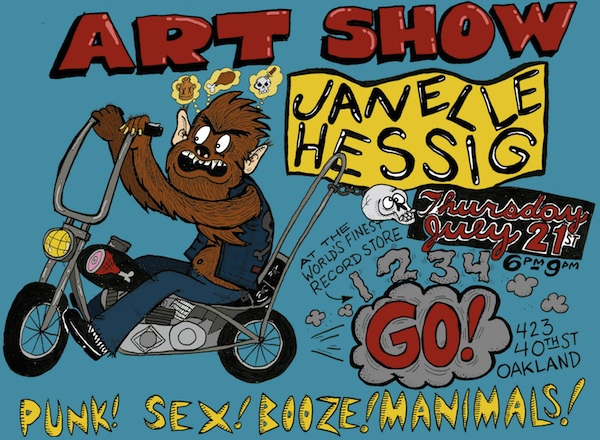
Wow, what an ART show…
Janelle Hessig’s Carnal Comics
Published:
August 9, 2011
Website of the Week: Brian Walsby! (.net!)
Published:
May 11, 2011
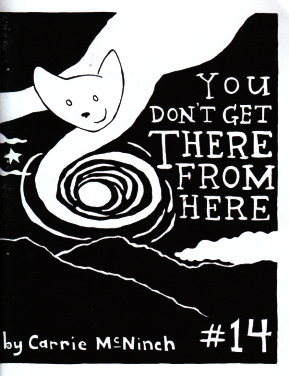
The punk comics blog returns with Carrie McNinch!
Published:
April 7, 2011
Jake Austen Is Doing It for the Kids
Published:
March 4, 2011
Jaime Hernandez y otros en San Jose
Published:
March 2, 2011
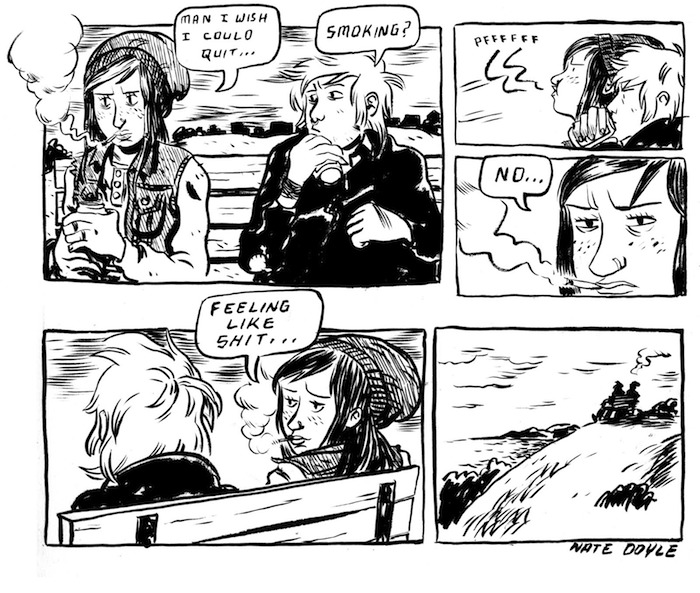
Keep On Ooglin’: Nate Doyle
Published:
February 9, 2011
Punk Comic History, Pt. 3: Dennis Worden
Published:
January 14, 2011
More Comics!
Henry & Glenn Forever
Published:
December 22, 2010
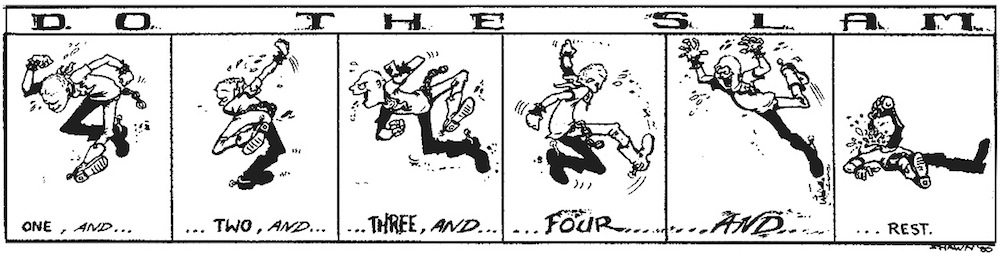
Punk Comics History, Part 2:
Shawn Kerri’s Not at Oki Dogs
Published:
December 18, 2010
Punk Comics History, Part 1:
Comical Funnies
and
Stop!
Magazine
Published:
December 12, 2010
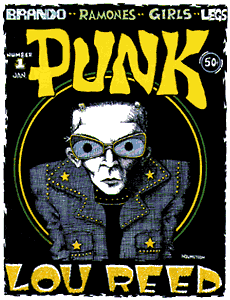
Punk
magazine’s John Holmstrom
Published:
October 17, 2009